
Bing, DuckDuckGo and the indexes Australians forget
Google is not the only drawer. Bing still feeds DuckDuckGo, Brave runs its own index, Yandex and leftover Apple Spotlight cards keep serving URLs that a successful Google removal never touched.
An independent Australian journal · Melbourne
The Australian journal of takedowns, de-indexing and digital reputation
Index
26 long-form guides, organised through the topic hubs. Every piece is original Australian reporting on how content actually comes down — or why it does not.
Google is not the only drawer. Bing still feeds DuckDuckGo, Brave runs its own index, Yandex and leftover Apple Spotlight cards keep serving URLs that a successful Google removal never touched.
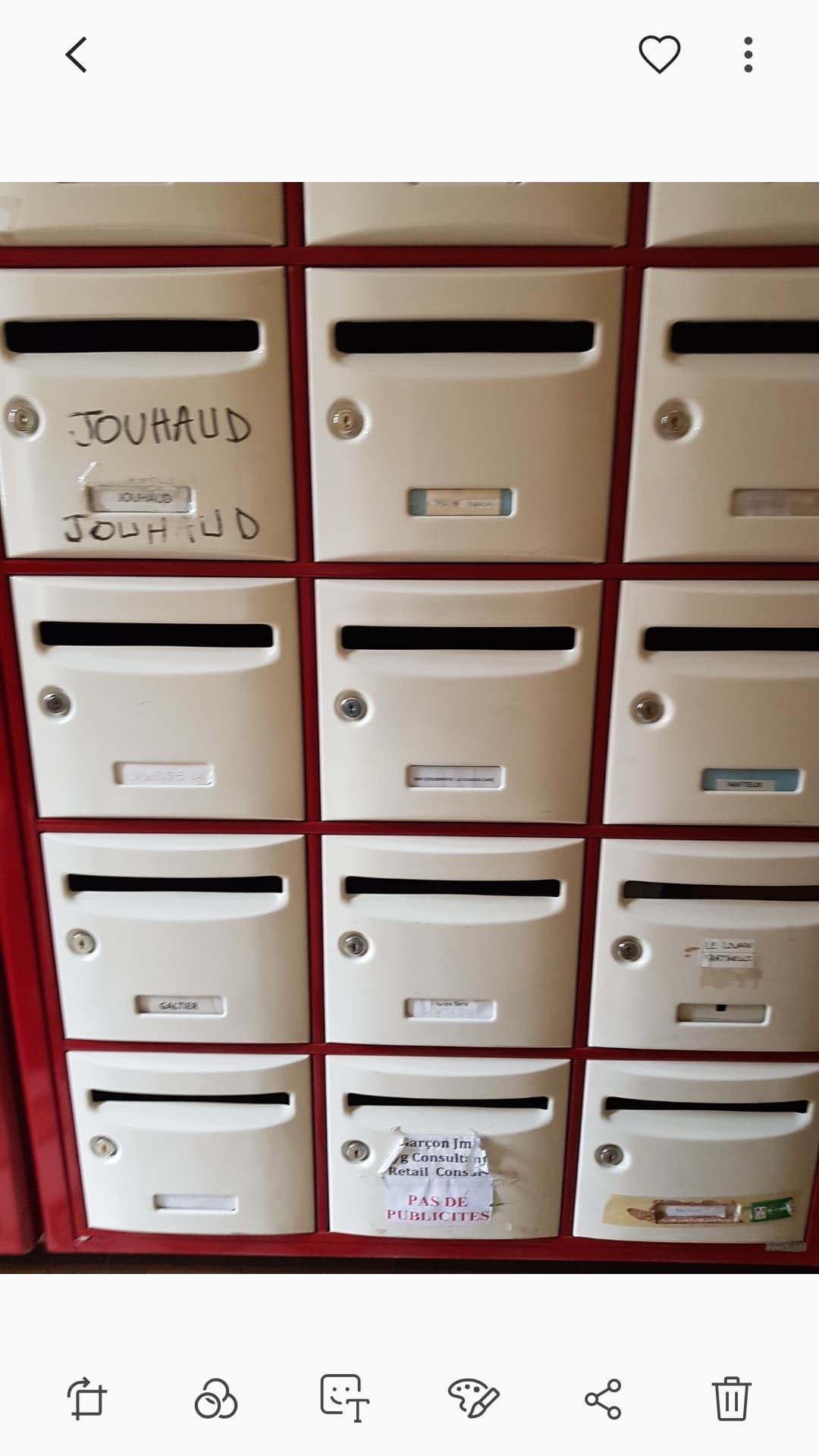
The Australian name-search problem often starts as a phone-book row or an old roll line that was never a social post. Sensis remnants, historical electoral products and scraped PDFs still feed people-search clones.

Google’s AI Overview is a summary of pages the index can still see. Chatbots add their own training set on top. Neither product unpublished the source, and a thin digital profile is how one old article becomes the whole answer.
Image, safety and impersonation
Footage that includes a child is not an ordinary takedown. Australian law, eSafety’s child schemes, ACORN and the platform child-sexual-abuse reports exist so that the file is not treated as a reputation job. Do not circulate it to help.

Copyright protects original expression you own, not a story about you. Filing a false copyright claim to sink a review or a news article is the wrong shortcut, and it is a risky one. Here is when the tool is honest — and when it is not.

Most Australian newsrooms will correct a mistake. Almost none will unpublish an accurate story because you have moved on. The live work is the correction, the right of reply, and the Google leftover.
YouTube will not unpublish a video because it is unfair. It will, in defined cases, remove or restrict a file that infringes copyright, exposes private information, or breaks its harassment rules. Those are three doors. Most people pick the wrong one.

Image, safety and impersonation
Hash lists, in-product report flows and an eSafety removal notice are different machines. Australians chasing a non-consensual intimate image need all three, plus Google’s image products, and they should not send the file to a journalist.
A successful Google removal hides a URL. It does not rebuild the rest of the results page. Caches, sitelinks, image thumbs and Knowledge Panels are leftover machinery, and they are why a “removed” search can still look like the old story.

Google will not take down a one-star review because it is rude, commercially painful, or written by a customer you remember differently. It will, in defined cases, remove a review that breaks its policy. This is that narrower map.
Image, safety and impersonation
The first two days after a dump are operations, not reputation. Reset the keys, lock the evidence, then work the platforms, Google and the brokers. Do not pay the people who published the file.

APP 13 is a correction right against APP entities, not a deletion right and not a right to unpublish journalism. This is what the principle can make a bank, an agency or a credit file do — and why a newspaper and a forum are usually out of reach.
Cancelling an ABN or deregistering a company does not erase the public record. It changes a status flag. Brokers, director addresses and historical extracts keep circulating long after the letterhead dies.
Australia has no general right to be forgotten. Reddit, Whirlpool, Hotcopper and a long tail of phpBB boards will sometimes remove a post anyway — as moderators, as companies, or under a court order. This is how those doors actually open.

Image, safety and impersonation
Impersonation is not one product. Meta, LinkedIn and X each split identity theft, parody, trademark and business scams into different queues. This is the Australian map of those forms, and of the ID step that sinks most reports.
Archive.org is not Google, and a robots.txt file is not a deletion request. Australians who need a capture dropped must write to the Internet Archive as a site owner or, in a narrow set of cases, as the person in the frame — and should not confuse that job with Trove.

TikTok will not unpublish a rumour because it is unfair. It will, in defined cases, remove a video, a live leftover, a sound or a display name that breaks its rules. This is the Australian map of those report flows, and of the search cards that survive them.

Image-based abuse is a defined statutory wrong, not a synonym for embarrassment. Consent, threats to share, and the order of platform then eSafety are the whole method. Do not send the image to a journalist.
Daily court lists are not judgments, and AustLII is not a newspaper. Open justice, suppression and statutory anonymity decide what can come down. Embarrassment almost never does.
The Online Safety Act 2021 is a removal machine with a narrow hopper. Image-based abuse, adult cyber-abuse, the child scheme and class-1 content can draw a notice. Ordinary rudeness and political speech cannot. Here is the difference.
Image, safety and impersonation
A platform label that says “AI generated” is not a takedown. Australian criminal law and the Online Safety Act now treat many synthetic intimate images as image-based abuse. This is the map of notices, offences and the work that still sits with the host.
Meta will not mediate a feud. It will, in defined cases, remove a post, a Reel, a leftover Story or a Page that breaks its rules. This is the Australian map of those report flows, and of the evidence you need before you press send.
A broker listing is a dossier assembled from other dossiers. Australians can opt out of many of them, but identity checks, clones and Google leftovers mean this is a programme, not a Saturday email.
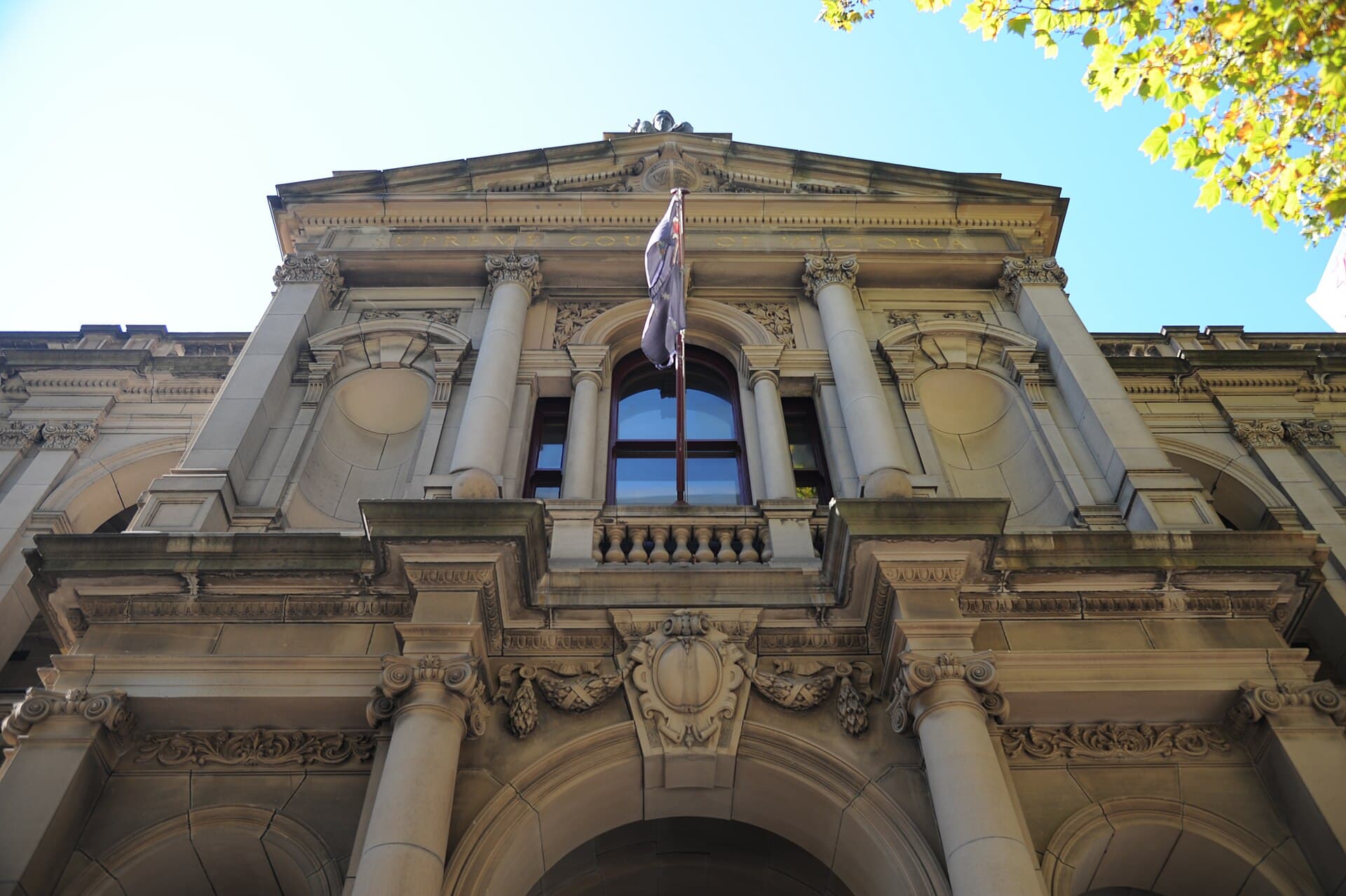
The 2021 Model Defamation Amendment Provisions raised the floor. Serious harm, a mandatory concerns notice and a single-publication rule now sit between a hurtful URL and a writ. This is the digital pathway — and when not to start it.
Deleting a URL is not the same job as taking it out of Google. A 404, a 410, a noindex tag, a robots.txt rule and a removal form each tell the crawler a different story, and most of those stories leave the blue link standing.
Google will not unpublish a page for you. It will, in defined cases, de-index a URL, drop a snippet, or honour a court order. This is the Australian map of those forms, and of the work you still have to do at the source.